Explore Vital Tree Care Methods for Maximum Tree Health
Having knowledge of arboriculture is essential for ensuring ecological wellness. Crucial methods including mulching and trimming are extremely important in encouraging strong tree growth. Furthermore, correct irrigation methods are critical for developing strong roots. Yet, a lot of individuals ignore the indicators of tree illness and the importance of hiring professionals. Looking into these areas can foster a greater respect for arboriculture and trees. What measures can be adopted to guarantee their trees thrive?
The Significance of Tree Well-being
Recognizing the value of healthy trees is essential, as trees play a significant role in maintaining ecological balance and improving city settings. Vibrant trees help improve air quality, offer cooling shade, and sustain animal homes. Furthermore, they help lessen global warming by capturing carbon, which makes them vital for environmental sustainability.
In city environments, well-maintained trees improve aesthetics, boost real estate worth, and foster neighborhood health. Having trees can lessen heat island effects in cities, resulting in reduced utility bills.
Ignoring tree maintenance, in contrast, can result in disease, pest infestations, and unstable limbs, creating dangers to infrastructure and the trees themselves. Therefore, knowing the markers of tree well-being, for example, leaf hue, its development rate, and the tree's outer layer, is vital for effective management. In conclusion, caring for vibrant trees benefits not just personal gardens but the wider ecological system, stressing the importance for proactive care and care methods.
Essential Pruning Techniques
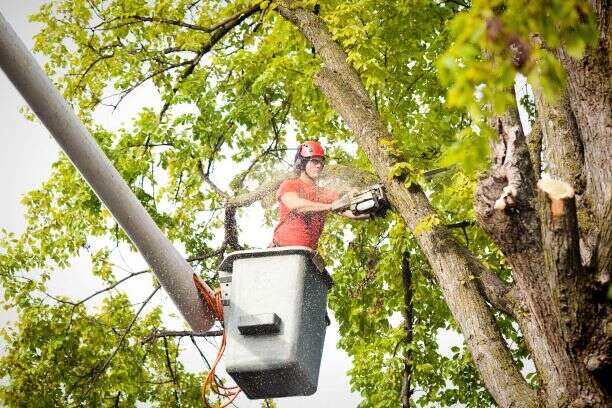
Trimming is a key technique in tree care that ensures optimal development and well-being, as it takes away unhealthy branches and boosts ventilation within the canopy. Employing proper techniques ensures the trees can flourish where they are planted.
A key method is "thinning," which means taking off certain branches to allow more light through and lessen the load on fragile branches. 'Heading cuts' is a common approach, where the terminal buds are removed to promote bushier growth, especially in young trees. Additionally, the process of 'crown reduction' lowers the overall height of a tree and retaining its natural structure.
Timing is essential; cutting during the inactive period minimizes stress and promotes better wound closure. Pruning implements must be sharp and sterile to avoid damage and infection transfer. Understanding these important pruning techniques is necessary for all tree specialists who seeks to keep healthy and beautiful trees.
Recognizing Typical Tree Ailments
How can tree owners recognize the symptoms of frequent ailments that endanger their trees? Awareness of specific symptoms is vital for quick spotting and treatment. Typical signs involve foliage that is off-color or limp, which may suggest fungal infections or insufficient nourishment. Strange developments, such as galls or cankers, may indicate insects are present or diseases that harm the tree's vitality. In addition, peeling bark or oozing sap might suggest an infection that need prompt care.
Arborists should look for modifications to the tree's appearance, like premature leaf shedding or dead branches, which might indicate a serious problem beneath the surface. Looking out for insect attacks, for instance, sawdust or bark holes, is just as critical. Through vigilance and promptness, tree owners can identify these common diseases and seek appropriate remedies, making sure their trees stay strong and lively across the different seasons.
How Mulching Helps Trees
Mulching serves as an important practice in tree care, giving various benefits that foster robust growth and durability. It involves applying a layer of inorganic or organic matter around the base of a tree, helping to keep the soil damp, suppress weeds, and stabilizing soil warmth. The mulch covering doesn't just limit rivalry from competing weeds but also improves the look of the yard.
In addition, materials like wood chips, such as wood chips or bark, break down eventually, adding vital nutrients to the soil and improving its structure. This natural breakdown helps roots establish and promotes a better habitat for the growing tree. Additionally, mulching can prevent the erosion of soil, which helps maintain the stability of the tree’s foundation. Appropriately spread mulch should be spread in a ring shape, avoiding direct contact with the trunk to prevent rot. Overall, making mulching a part into tree care routines greatly supports to the long-term health of trees.
Effective Watering Techniques for Trees
Quality tree upkeep needs not only mulching but also correct hydration methods to promote the best growth and health. Tree specimens, particularly newly planted ones, require steady hydration to develop robust root structures. Deep hydration is crucial, as it promotes roots to descend where moisture is steadier. Preferably, trees should receive about an inch of water per week, whether through rainfall or additional watering.
Watering should be done early in the morning to cut down on evaporation and the risk of fungus. One must be careful not to overwatering, which can lead to root rot and related complications. Check the ground for moisture before watering; if the top two inches are dry, it’s time to water. Moreover, employing a soaker hose or drip irrigation delivers a gradual, continuous stream of water, guaranteeing trees are sufficiently hydrated without the potential for wasted water. Correct watering methods greatly contribute to the general well-being of trees.
Retaining Specialized Tree Care: The Timing and Rationale
When assessing the condition and aesthetics of a property, engaging expert tree care is often vital for homeowners who need intricate tree upkeep. Professional arborists possess the expertise to determine tree vitality, spot illnesses, and apply successful remedies. Professionals are familiar with local regulations regarding tree removal and maintenance, guaranteeing compliance and sidestepping fines
(Stillwater Tree Service)Homeowners should consider hiring professionals when dealing with big trees, especially those close to buildings or power lines, as mishandling creates safety hazards. Additionally, trees requiring pruning for aesthetic or health reasons gain from the abilities of trained specialists who can perform careful trimming to stimulate new growth
Seasonal tasks, such as pre-storm readiness and post-storm tidying, also warrant professional intervention to keep the property safe and appearance. As a result, hiring certified arborists guarantees that trees receive ideal care, which benefits greatly the overall landscape and property value
Questions and Answers
How Can I Tell if My Tree Is Overwatered?
Overwatering often leads to chlorotic leaves, drooping even when the ground is wet, decaying roots, and excessive leaf drop. In addition, the presence of fungal growth near the trunk's bottom may indicate inadequate water runoff and saturated soil.
What's the Optimal Season for Tree Pruning?
The ideal season for trimming is generally in the cold months before spring before the onset of new foliage - Stillwater Tree Service. This timing promotes healthy growth and lessens the impact on the plant, facilitating quick recovery and maturation
Is It Possible for Trees to Survive Major Storm Damage?
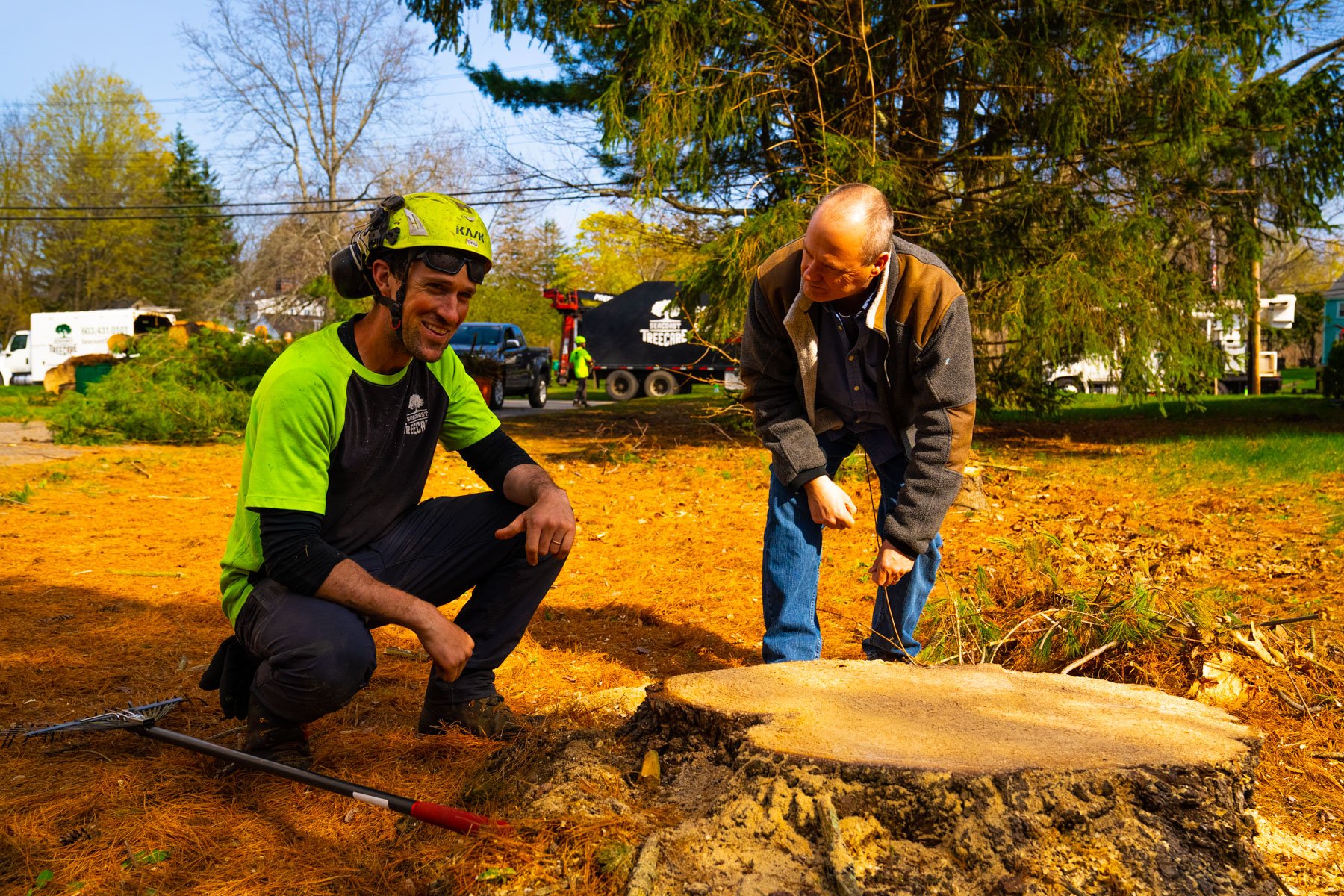
Yes, trees can recover from severe storm damage. With proper care, like trimming broken branches and ensuring sufficient hydration and feeding, a lot of trees can become healthy again and flourish once more despite enduring major trauma.
How Do I Choose the Right Mulch for My Trees?
In order to pick the best mulch, it is detailed guide best to use organic options like wood chips or bark, ensure a layer 2 to 4 inches deep, and never stack mulch against the base to safeguard against rot.
Do Certain Tree Species Need More Attention Than Others?
Some species, for instance, new plantings and orchard trees, demand more care because they react strongly to environmental shifts and specialized fertilization demands. Regular monitoring and tailored maintenance practices are crucial for their well-being and growth.